7 Essential Steps to Get Out of Debt and Change Your Financial Future
 Eslee
Eslee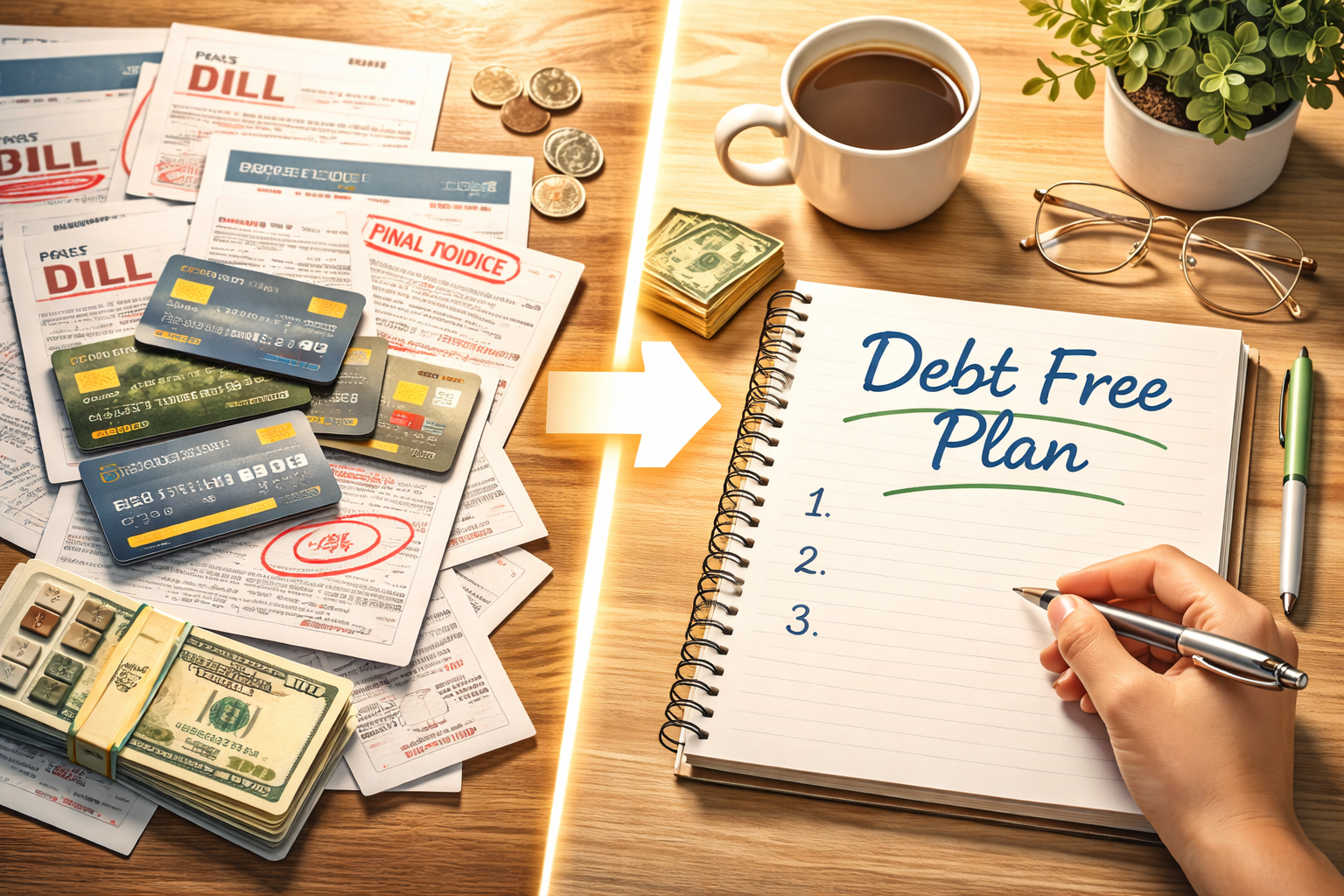
Acknowledging the Full Reality of Your Debt
To embark on a successful journey of debt payoff, it is essential to first face the full reality of your financial situation. Many individuals find it challenging to confront the extent of their debts, but this acknowledgment serves as a fundamental step in effectively managing money and paving the way to financial recovery. A clear understanding of your total debt empowers you to devise a strategy that reflects your true financial landscape.
The first action to take is to gather comprehensive information regarding your debts. This includes compiling details such as the total amount owed, interest rates, monthly payment amounts, and the institutions to which the debts are owed. By organizing this data in a spreadsheet or a budgeting tool, you can visualize your financial commitments and prioritize them accordingly. This organization lays the groundwork for determining how to start getting out of debt.
It is important to acknowledge not only the numbers but also the emotions that may arise during this process. Feelings of anxiety, guilt, or frustration are common when dealing with debt. Accepting these emotions is a crucial part of the journey towards recovery. Understanding that you are not alone in facing this challenge can alleviate some of the psychological burdens associated with debt management.
In identifying the total scope of your debt, you also gain insights into its implications on your overall financial health. This knowledge is vital as it lays the foundation for your subsequent financial decisions, including the best way to begin paying off debt. With this informed perspective, you can move forward with confidence, armed with beginner debt payoff tips and strategies tailored to your unique financial situation.
Creating a Simple, Sustainable Budget
Creating a budget is a critical step when seeking to achieve successful debt payoff and maintain effective money management. A practical budget not only helps track income and expenses but also fosters financial discipline, which is essential for anyone wondering how to start getting out of debt. The first step in budget creation involves accurately calculating your total monthly income. This includes not only your salary but also any additional sources of income, such as freelance work or investments. Knowing your financial inflows will serve as a foundation for the budgeting process.
Next, document all your monthly expenses. It's important to distinguish between fixed expenses, which include rent or mortgage payments and utility bills, and variable expenses, such as groceries and entertainment. Categorizing these spending patterns will enable you to identify areas where cuts can be made, contributing to better money management overall. By understanding your monthly expenditures, you can align them with your financial goals, including the best way to begin paying off debt.
Once you've tracked both income and expenses, it's time to utilize budgeting tools and resources. Whether you prefer traditional spreadsheets or modern budgeting apps, choose a system that suits your lifestyle. Many of these tools provide features that can simplify tracking and categorizing expenses, making it easier for you to adhere to your budget.
Additionally, consider allocating specific portions of your budget to your debt repayment plan. Knowing how much you can realistically contribute towards your debt every month is crucial. Implementing a sustainable budget may require consistency and discipline while using beginner debt payoff tips, like focusing on high-interest debts first. This strategy can yield faster results and encourage you to stick with your budget in the long run.
In conclusion, creating a simple, sustainable budget not only aids in the debt payoff process but also cultivates a healthy relationship with your finances, setting the stage for a secure financial future.
Stopping the Cycle of New Debt
As individuals embark on their debt payoff journey, it is imperative to halt the accumulation of new debt. This is a critical component of effective money management and essential for achieving long-term financial stability. To successfully navigate this phase, individuals must differentiate between their needs and wants. Understanding this distinction is fundamental in curbing impulse spending that may lead to new debts.
One of the primary contributors to new debt is the frequent use of credit cards. While credit cards can offer convenience and rewards, they often present a temptation to overspend. A practical strategy for avoiding the pitfalls of credit cards is to either minimize their use or eliminate them altogether. By shifting to cash or debit-based transactions, individuals can gain a clearer understanding of their spending habits and limit access to credit, thereby reducing the likelihood of acquiring additional debt.
Implementing lifestyle changes is another vital aspect of preventing new debt. This may include reassessing expenditures, such as dining out, subscription services, and entertainment. A thorough budget review may reveal areas where one can cut back and redirect those funds towards existing debt. Additionally, practicing delayed gratification can be instrumental in resisting the urge to make unnecessary purchases. When faced with a purchase decision, it is beneficial to wait for at least 24 hours before acting on it, allowing time to evaluate its necessity.
Moreover, surrounding oneself with a support system can bolster efforts to resist new debt. Engaging with friends or family who share similar financial goals can provide encouragement and accountability. Leveraging these techniques can help individuals gain control over their financial behavior and successfully navigate their path towards financial freedom.
Building a Small Emergency Fund
Establishing a small emergency fund is a vital step in the journey of debt payoff, as it serves to protect against unexpected expenses that could potentially hinder your progress in money management. Emergencies, such as car repairs or medical bills, can derail even the most well-structured debt repayment plan if adequate savings are not in place. Therefore, it's essential to implement a strategy for saving effectively while managing your debt responsibilities simultaneously.
To start, aim for a targeted savings goal of approximately $500 to $1,000. This amount can cover many common unforeseen expenses without necessitating further debt accumulation. By setting such a moderate target, you make your emergency fund more achievable, allowing you to prioritize it without overwhelming your budget.
One effective tactic is to allocate a small portion of any monthly surplus into your emergency fund before addressing other expenses or debts. This approach ensures that you are consistently putting aside money, enhancing your overall money management strategy. Additionally, consider utilizing automatic transfers from your checking account to a dedicated savings account. This automation reduces the temptation to spend the allotted funds and helps maintain momentum in building your emergency fund.
Moreover, look for ways to supplement your savings by identifying areas in your budget where you can cut back temporarily, such as dining out or subscription services. By committing to these adjustments, you can redirect those funds toward your emergency savings without compromising your debt repayment efforts.
In conclusion, the establishment of a small emergency fund supports a sustainable approach to money management while you learn how to start getting out of debt. By building this reserve, you safeguard yourself against potential financial setbacks, ensuring that your journey toward financial freedom remains on track.
Choosing a Debt Payoff Strategy

When embarking on the journey of debt payoff, selecting an appropriate strategy can significantly influence one's ability to manage money effectively. Two popular methods that individuals often consider are the snowball and avalanche strategies, each with its unique approach and psychological benefits. Understanding these strategies will aid in making an informed choice on how to start getting out of debt.
The snowball method focuses on paying off the smallest debts first, regardless of interest rates. This approach is particularly beneficial for individuals who require motivation and a sense of accomplishment to sustain their debt repayment momentum. As smaller debts are eliminated, the borrower gains confidence and is likely to feel more committed to the overall debt payoff process, resulting in enhanced money management skills.
In contrast, the avalanche method prioritizes the repayment of debts with the highest interest rates first. This strategy can be more advantageous in a strictly financial sense, as it minimizes interest payments over time. For those who are more analytical and motivated by savings, this could represent the best way to begin paying off debt. However, it may take longer to see progress compared to the snowball method, which may affect motivation levels.
Choosing between these two strategies ultimately depends on an individual's financial situation and personal preferences. Consideration should be given to not only the numbers involved but also which method aligns with one's personality and emotional needs. By evaluating these factors, one can pinpoint the debt payoff strategy that not only addresses current obligations but also fosters long-term financial stability. Remember that effective money management starts with a solid plan, and determining the right approach is an essential part of this process.
Staying Consistent Even When Progress Feels Slow
Embarking on the journey to debt payoff can be overwhelming, especially when you encounter periods where progress seems gradual or even stagnant. However, the key to successful money management lies in consistency. To stay motivated, it is essential to implement tactics that will reinforce your commitment to your debt repayment plan.
One effective method is to set small, achievable milestones. Instead of solely focusing on the total debt amount, break it down into manageable portions. For instance, aim to pay off a specific percentage or amount each month. These bite-sized goals not only make the process feel less daunting but also provide opportunities to celebrate small victories. Recognizing these accomplishments can significantly boost your morale and encourage you to keep pushing forward.
Celebrating wins, no matter how minor, can also act as motivation. Whether it’s treating yourself to a small reward or simply acknowledging your progress to a friend, these moments of recognition affirm your efforts and reinforce your dedication to the debt payoff process.
Furthermore, developing a support system is imperative for maintaining discipline. Sharing your goals with friends, family, or a dedicated support group can create a sense of accountability. When others are aware of your objectives, you are more likely to stay on track, as the prospect of sharing your progress can serve as an incentive to adhere to your debt repayment plans.
In maintaining consistency, it is also important to remind yourself of the end goal. Visualize your financial future free from debt, and invest time in understanding how to start getting out of debt effectively. By keeping your vision in mind, the process of paying off debt can transform into a motivator rather than a burden.
Changing the Habits that Created the Debt
As individuals journey through the process of debt payoff, it becomes evident that changing the habits that led to financial burdens is vital. Identifying these detrimental behaviors is an essential first step toward starting to get out of debt. Often, people may fall into spending patterns without recognizing their impact on their overall financial health. This can lead to unmanageable debt levels and financial stress.
A key aspect of money management is reshaping spending habits. It is important to develop an awareness of where your money goes. Begin by tracking your expenses for a month to identify unnecessary purchases. This straightforward practice can highlight areas where cutting back is possible. For example, consider meals out, subscription services, or impulse buys. By consciously deciding to reduce these expenses, you will be able to allocate more funds toward debt repayment, which is the best way to begin paying off debt.
Financial literacy also plays a crucial role in fostering sustainable money habits. Knowledge about budgeting, interest rates, and debt payoff strategies empowers individuals to make informed financial decisions. Engaging with educational resources, such as online courses or workshops, can enhance your understanding of these concepts. Additionally, surrounding yourself with financially literate individuals can provide guidance and motivation towards a healthier financial future.
Moreover, cultivating a positive mindset towards money is imperative for lasting change. Reframe your outlook by viewing financial challenges as opportunities to learn and grow. Implementing beginner debt payoff tips, such as setting small savings goals, can significantly shift your attitude and give you a sense of achievement. As changes in your behavior become ingrained, they form a foundation for ongoing financial stability and success.
The Importance of Tracking Progress
One of the key components of an effective debt payoff strategy is the consistent monitoring of one's financial progress. Tracking progress throughout the debt repayment journey not only fosters accountability but also serves as a powerful motivational tool. By keeping a close eye on changes in debt levels and overall financial health, individuals can make informed decisions pertaining to their money management practices, enhancing their chances of succeeding in how to start getting out of debt.
Celebrating milestones is another significant aspect of tracking progress. Acknowledging small victories, such as paying off a credit card or reaching a specific percentage of debt reduction, can provide the necessary encouragement to continue on the path toward financial freedom. These moments of celebration not only boost morale but also reinforce the positive habits that contribute to effective money management and the pursuit of the best way to begin paying off debt.
Moreover, regularly reviewing one’s debt levels allows for adjustments to be made in the repayment plan based on real-life circumstances and challenges faced. Life is often unpredictable, and what worked initially may require refinement as expenses or income change. This adaptability is crucial to maintain motivation and alignment with one's financial goals. Beginner debt payoff tips frequently emphasize the importance of staying flexible in one's approach and not being discouraged by setbacks. By tracking progress, individuals can identify patterns, recognize when adjustments are necessary, and ultimately stay committed to the journey of debt repayment.
In conclusion, keeping track of one’s financial progress is essential in the debt payoff journey. It enables a clearer understanding of where one stands financially, celebrates achievements, and allows for necessary adjustments to be made along the way, ensuring continued movement toward financial stability and freedom from debt.
Seeking Professional Help if Necessary
As individuals embark on their journey of debt payoff and money management, they may encounter various challenges that require expertise beyond personal knowledge. It is essential to recognize when it is prudent to seek professional help from financial advisors or credit counseling services. Such professionals can provide valuable guidance in developing complex strategies tailored to individual financial situations. This might include crafting a budget that aligns with specific debt payoff goals, negotiating with creditors, or exploring debt consolidation options.
For many, understanding the best way to begin paying off debt can be overwhelming. A financial advisor can help clarify the process by breaking it down into manageable steps, offering insights into prioritization of debts based on interest rates and outstanding balances. Furthermore, they can assist in creating a personalized debt repayment plan that includes timelines and action items. Additionally, they are equipped with tools and resources that can simplify the debt recovery journey.
Moreover, the emotional aspects of managing debt should not be overlooked. Seeking professional guidance can provide not only financial strategies but also emotional support. Many individuals experience anxiety and stress related to their financial situations, and having a knowledgeable partner in this process can alleviate some of that burden. Professionals can offer encouragement and motivation, helping individuals stay on track with their goals. Recognizing when to seek help is a pivotal step in the journey to financial freedom and achieving lasting stability. For those exploring how to start getting out of debt, consulting with a debt expert can significantly enhance the likelihood of success.
Affiliate Disclosure: I believe in transparency. Some links on this website are affiliate links, meaning I may earn a commission if you purchase through them. I only recommend tools, books, and resources that align with the mission of helping people take control of their finances, reduce debt, and build smarter money habits.