How to Recover After Overspending Your Budget
 Eslee
Eslee
Understanding the Impact of Overspending
Overspending can have significant emotional and financial repercussions that extend well beyond a single budgeting cycle. When individuals find themselves in a position where they have exceeded their budget, it often leads to increased levels of stress and anxiety. This psychological burden is primarily due to the fear of financial instability, which can seep into other areas of life, affecting relationships and overall well-being.
From a financial perspective, the consequences of overspending can be severe. It can derail long-term financial goals, such as saving for retirement, purchasing a home, or even accumulating emergency funds. When resources are allocated to cover overspending, there is less available for savings and investments, which can prevent individuals from achieving their desired financial milestones.
Moreover, when one is burdened with regret after overspending, it can lead to a cycle of negative emotions that further complicates recovery efforts. Individuals may feel like they are constantly in a state of trying to recover from a failed budget, leading to impulsive financial decisions that perpetuate the cycle of stress associated with money management.
Recognizing the emotional and financial toll of overspending is the first step toward effective budget recovery. It is essential to understand that overspending is not merely a lapse in judgment but a complex issue that may require long-term strategies to mend. Through budgeting tips and a structured plan, individuals can learn how to get back on track after blowing their budget. In addition, seeking overspending help can aid in reframing the mindset around financial management, ultimately promoting a healthier relationship with money.
Assessing Your Current Financial Situation
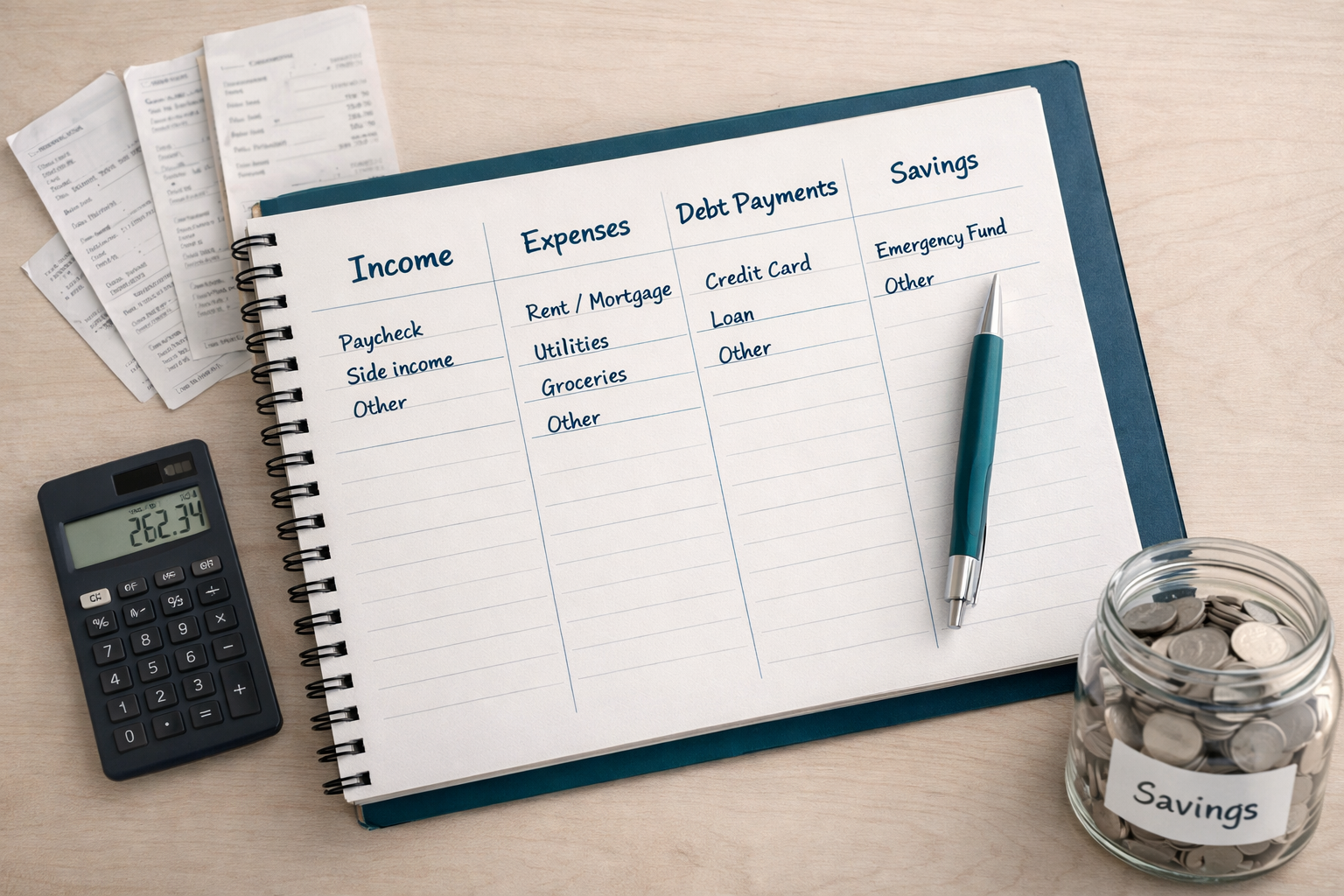
In the aftermath of overspending, the first crucial step towards budget recovery is assessing your current financial situation. Understanding your income, expenses, and debt is essential for formulating a strategic plan to get back on track after blowing your budget.
Begin by evaluating your income sources. Consider all streams of revenue, including salaries, side jobs, or any passive income. It is important to calculate your net income, as this is the actual amount you can allocate towards expenses and debt repayment. Knowing how much money you have coming in is vital for effective budgeting and determining how you can facilitate recovery after overspending your budget.
Next, create a detailed account of your monthly expenses. Categorize these expenses into fixed costs, such as rent or mortgage, utilities, and insurance, and variable costs, which include groceries, dining out, and entertainment. This categorization will help you identify discretionary spending that may have contributed to overspending. Once you have a comprehensive overview of your expenses, assess whether any adjustments can be made to reduce costs.
Additionally, it is important to review any outstanding debts. List each debt along with its corresponding interest rates and minimum payment requirements. Understanding your liabilities will provide insight into which debts need to be prioritized in your recovery plan. It can also highlight options for consolidating or refinancing debts to lessen financial strain. Creating a clear picture of your debts is part of understanding what to do after overspending your budget.
In summary, by thoroughly assessing your financial situation, you can devise a realistic and effective budget strategy. This groundwork is essential for ensuring that you are equipped to navigate the challenges of recovering from a failed budget successfully.
Creating a Recovery Budget
Recovering from overspending can be challenging, but it is essential to approach this situation with a well-structured recovery budget. The first step is to assess your current financial situation accurately. Begin by reviewing your recent expenditures to understand where overspending has occurred. This detailed analysis will provide a clear picture and serve as a basis for your recovery plan.
Once you have grasped the extent of your overspending, the next phase is setting realistic recovery goals. These goals should include not only reducing expenses but also building a savings buffer to guard against future financial missteps. Aim to define specific, measurable objectives that can guide your spending habits over the coming weeks or months. For instance, you could set a target of cutting unnecessary expenses by a defined percentage in order to recover faster.
It is equally important to prioritize essential expenses when drafting a recovery budget. Distinguish between needs and wants, and ensure that your budget covers necessities like housing, utilities, and food first. While trimming any non-essential expenditure. This will help in controlling further overspending and preventing future budgetary failures. Allocate a certain portion of your income each month towards paying down debt or reinvesting in savings to develop a more robust fiscal discipline.
As you create this tailored budget, also plan for the future. Consider incorporating flexibility within your budget for unanticipated expenses. Establishing an emergency fund could be an effective way to safeguard against potential budget setbacks. Ultimately, by implementing these budgeting tips and strategies, you will not only find effective ways to help prevent overspending but also lay the groundwork for a more sustainable financial future.
Implementing Cost-Cutting Strategies
Overspending can significantly derail your financial plans, but by implementing cost-cutting strategies, you can begin to recover from a failed budget. The first step often involves reevaluating your daily expenses and making necessary adjustments to reduce costs. For instance, one effective strategy is to cook at home more frequently rather than dining out. Preparing meals at home not only saves money but also encourages healthier eating habits.
Additionally, consider canceling any subscriptions or memberships that you do not actively use. This may include streaming services, gym memberships, or magazines. By eliminating these recurring charges, you can divert those funds towards recovering from overspending. Tracking your subscriptions can provide you with insight into areas where you might be overspending unintentionally.
Another method involves seeking free or low-cost entertainment options. Instead of heading to expensive venues, explore parks, community events, or local attractions that charge little to no fee. Engaging in free activities not only alleviates financial strain but also allows for quality time with family and friends without the pressure of high costs.
Furthermore, consider reviewing your utility expenses. Simple actions such as turning off lights when not in use, reducing heating or cooling use, and being mindful of water usage can add up to savings that help you recover from overspending your budget. Making conscious choices in daily living can significantly alter your financial trajectory.
In conclusion, implementing these cost-cutting strategies is essential for managing your finances effectively. By actively engaging in budgeting tips and finding ways to help with overspending, you can gradually establish a more stable financial footing after an instance of overspending.
"If you're serious about organizing your finances, I recommend keeping a dedicated budget planner. This one on Amazon is simple, undated, and gets the job done."
Building an Emergency Fund

- Customize & Get Budgeted - With blank free of pre-filled categories and months budgeting pages, Soligt undated budget pl...
- Keep you on Track & Organized - The budget book journal provides 12 cute pockets for effortless bill, receipt, envelopes...
- Achieve Financial Goals - This bill organizer provides a simple yet comprehensive budgeting system that is perfect for h...
Establishing an emergency fund is a crucial step when managing your finances and preventing future overspending. This fund acts as a financial safety net, allowing you to cover unexpected expenses without resorting to credit cards or loans, which can lead to further financial strain. To effectively build an emergency fund, it’s important to set a realistic savings goal. Financial experts typically recommend saving three to six months’ worth of living expenses, but this can vary based on individual circumstances.
Begin by assessing your monthly expenses and determining the minimum amount necessary to cover essential costs such as housing, food, utilities, and transportation. Once you have a target figure, the next step is to decide where to keep your emergency fund. A high-yield savings account is often an ideal choice, as it offers easy access to your funds while earning a modest return, especially compared to traditional savings accounts. In addition, having your emergency fund in a separate account can help reduce the temptation to dip into it for non-emergencies.
Building this fund gradually is key; you do not need to save everything at once. Start by setting aside a small amount each month, adjusting your budget to reflect this goal. Consider automating the savings process by setting up direct deposits, which can facilitate consistent contributions. As you recover from a failed budget and regain control over your finances, remember that small, regular contributions can lead to significant savings over time.
In essence, building an emergency fund is an effective strategy for budgeting help, as it prepares you for unforeseen circumstances and helps you stay on track after blowing your budget. By prioritizing savings and maintaining discipline, you will enhance your financial stability and foster a healthier relationship with money.
Revisiting Financial Goals
After experiencing setbacks in your finances, particularly from overspending, it is essential to take a step back and revisit your financial goals. Engaging in a thorough reassessment allows you to realign your long-term aspirations with your current financial realities. Start by evaluating what initially motivated your financial goals. Consider whether those aspirations still resonate with your present life situation or if adjustments are necessary.
Begin this process by listing your short-term and long-term financial objectives. Are these goals still relevant, or have they shifted due to your recent experiences with budget recovery? You want to ensure that your goals are realistic and achievable, especially after learning how to get back on track after blowing your budget. For example, if your initial goal was to save for a luxury item that is no longer a priority, consider reallocating those resources toward a more pressing necessity, such as an emergency fund.
It is equally vital to establish clear, manageable steps for moving forward. Instead of feeling overwhelmed by what to do after overspending your budget, break down your financial recovery process into smaller, actionable tasks. This approach can significantly enhance your motivation and maintain your focus. Prioritize the need for a sustainable budgeting plan that can adapt to life’s uncertainties while still working toward your adjusted goals.
In summary, by revisiting your financial goals and modifying them based on your current financial landscape, you set yourself up for more successful budgeting in the future. This strategic reassessment not only aids in curbing overspending but also reinforces a mindset geared towards long-term financial health and stability.
In times of financial distress, particularly after overspending your budget, seeking professional financial advice can be an invaluable step towards recovery. Financial advisors and credit counselors can provide tailored guidance that addresses individual needs and circumstances, significantly enhancing the chances of rectifying a blown budget.
Before engaging with a financial professional, it is essential to conduct thorough research to find reputable advisors or counselors. Look for professionals who possess relevant credentials, such as Certified Financial Planner (CFP) or National Foundation for Credit Counseling (NFCC) certification. Additionally, consider their experience in assisting clients with budget recovery and overspending help. Online reviews and testimonials can offer insights into their reputation and success rates.
Once you have identified potential candidates, prepare a list of questions that address your specific situation. Inquire about their fee structures, services offered, and methods they employ to help clients manage finances efficiently. For instance, ask how they approach creating a recovery plan for individuals who have overspent their budgets. Understanding their strategy can give you confidence in their ability to help you navigate your financial challenges.
Moreover, a professional may assist in developing a realistic budget that accommodates your financial situation while still addressing essential expenses. They can provide budgeting tips that not only focus on current recovery but also on long-term financial health. Engaging with a financial advisor can motivate you to take actionable steps for recovery, ensuring you stay accountable as you work to reclaim control of your finances and overcome the stress associated with overspending.
Overall, the process of getting back on track after blowing your budget can be more manageable with the support of trained professionals who are equipped to guide you through budgeting challenges.
Learning from Past Mistakes
Understanding the reasons behind your overspending is a crucial step when aiming at budget recovery. Reflecting on past financial behaviors can reveal patterns or triggers that lead to deviations from your planned budget. One effective method is to keep a spending journal where you document each purchase and categorize it. This not only provides clarity on where your money goes but also highlights recurring themes, such as impulsive buys or emotional spending.
Once you have identified these patterns, the next step is to develop strategies to avoid falling into the same traps in the future. For instance, if you notice that shopping sprees often occur when you are feeling stressed, it may be beneficial to find alternative ways to cope with those emotions. Engaging in activities such as exercise, relaxation, or hobbies can effectively reduce the urge to overspend when emotions run high.
Furthermore, setting specific, realistic goals can help sharpen your focus on maintaining a budget. Implementing a "cooling-off" period for discretionary purchases can also provide the necessary time to evaluate whether an expenditure is indeed essential. Delaying gratification can often prevent regret associated with impulsive buying decisions.
It might also be worthwhile to engage with support systems, whether that be a financial advisor or a friend who shares similar budgeting goals. An accountability partner can be instrumental in keeping your spending in check and helping you stick to determined limits, promoting a healthier financial mindset.
By learning from past mistakes and adopting proactive measures, you position yourself better to not only recover from overspending but also to establish a more resilient budgeting framework going forward. These tactics are vital for anyone looking to answer the question, "How to get back on track after blowing your budget?"
Staying Motivated on the Path to Recovery
Recovering from a budget setback can be a challenging journey, but staying motivated is crucial for achieving your financial goals. One effective strategy is to celebrate small successes along the way. When you reach minor milestones, such as saving a certain amount or reducing unnecessary expenses, take the time to acknowledge these achievements. Recognizing your progress helps reinforce positive behavior and encourages you to continue on the right path.
Accountability is another essential component of staying motivated. Share your budgeting goals with a trusted friend or family member who can offer support and encouragement. By doing so, you create an external source of motivation, making it easier to stick to your plan. You might even consider forming a budgeting group where members can share tips on how to get back on track after blowing your budget, celebrate successes, and offer each other support during tough times.
Maintaining a positive mindset plays a significant role in overcoming overspending challenges. Instead of focusing on past mistakes and what led to overspending, shift your attention towards what you can do differently moving forward. Avoid negative self-talk and instead remind yourself that it is possible to recover from a failed budget. Surround yourself with motivational quotes, financial planning resources, and budgeting tips to keep your spirits high. Remember, budgeting is an ongoing process; setbacks are an opportunity to learn and grow.
As you navigate your recovery journey, make sure to regularly check in with yourself. Assess your spending habits, review your financial goals, and adjust your strategies as necessary. By maintaining motivation, holding yourself accountable, and fostering a positive attitude, you can effectively recover from overspending and achieve lasting financial stability.
Affiliate Disclosure: I believe in transparency. Some links on this website are affiliate links, meaning I may earn a commission if you purchase through them. I only recommend tools, books, and resources that align with the mission of helping people take control of their finances, reduce debt, and build smarter money habits.