Personal Finance 101: Simple Steps to Debt Freedom
 Eslee
Eslee
What Is Personal Finance?
Personal finance is simply how you manage your money, how you earn it, spend it, save it, invest it, and protect it. It's the decisions you make every day that either move you closer to financial freedom or further away from it. Think of it as the rulebook you write for your own financial life. No two people have the same financial situation, which is why personal finance is personal.
Learn what personal finance really means, 7 ways to organize your money, and why multiple income streams are the key to lasting debt freedom.
7 Practical Ways to Organize Your Finances
1. Know Your Numbers You can't manage what you don't measure. Start by writing down your total monthly income and every fixed expense (rent, car payment) and variable expense (groceries, subscriptions). This snapshot is the foundation of everything else.
2. Build a Budget That Actually Works for You. A budget isn't a punishment; it's a plan. Try the 50/30/20 rule: 50% of income to needs, 30% to wants, and 20% to savings and debt repayment. Adjust those percentages to fit your reality.
3. Create an Emergency Fund First Before aggressively paying off debt or investing, build a starter emergency fund of $1,000. Eventually, aim for 3–6 months of living expenses. This prevents one bad month from destroying your entire plan
4. Automate Your Savings Pay yourself first. Set up automatic transfers to save the day your paycheck hits. What you don't see, you won't spend. Even $25 a week adds up to $1,300 a year.
5. Track and Eliminate Wasteful Spending. Review your bank and credit card statements monthly. Most people are shocked by how much they spend on subscriptions, dining out, or impulse buys. Find two or three areas to cut and redirect that money with purpose.
6. Organize Your Accounts with a Purpose Have separate accounts for separate goals: a checking account for bills, a high-yield savings account for your emergency fund, and a dedicated savings account for specific goals (vacation, car, down payment). Structure reduces confusion.
7. Review and Adjust Regularly. Your finances are not set-it-and-forget-it. Review your budget monthly and do a deeper financial check-in every quarter. Life changes; your financial plan should too.
Why Having More Than One Source of Income Is Critical
Relying on a single paycheck is one of the biggest financial risks most people take, and most don't even realize it.
Here's why multiple income streams matter:
- Job loss is real. Layoffs, company closures, and economic downturns happen without warning. A second income stream keeps you afloat when the unexpected hits.
- One income has a ceiling. There are only so many hours in a day. A side income—whether from freelancing, a blog, dividends, or rental income—grows your earning potential beyond your 9-to-5 limits.
- It accelerates debt payoff and wealth building. Every extra dollar from a second income can go directly toward debt, savings, or investments, dramatically compressing your timeline to financial freedom.
- It creates options. Multiple streams give you negotiating power at your day job, flexibility to take risks, and the ability to weather financial storms with confidence.
Common second income sources to explore: affiliate marketing, freelancing, dividend investing, rental income, selling digital products, or monetizing a blog (sound familiar?).
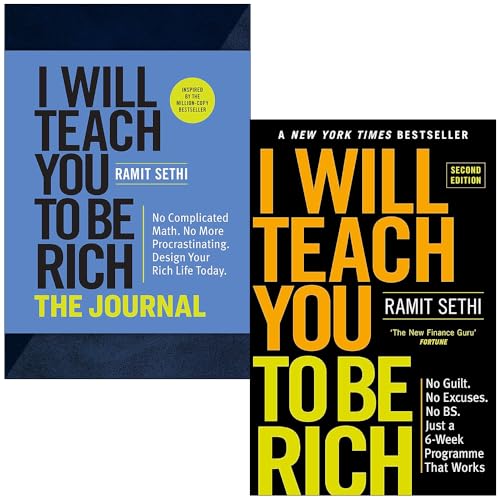
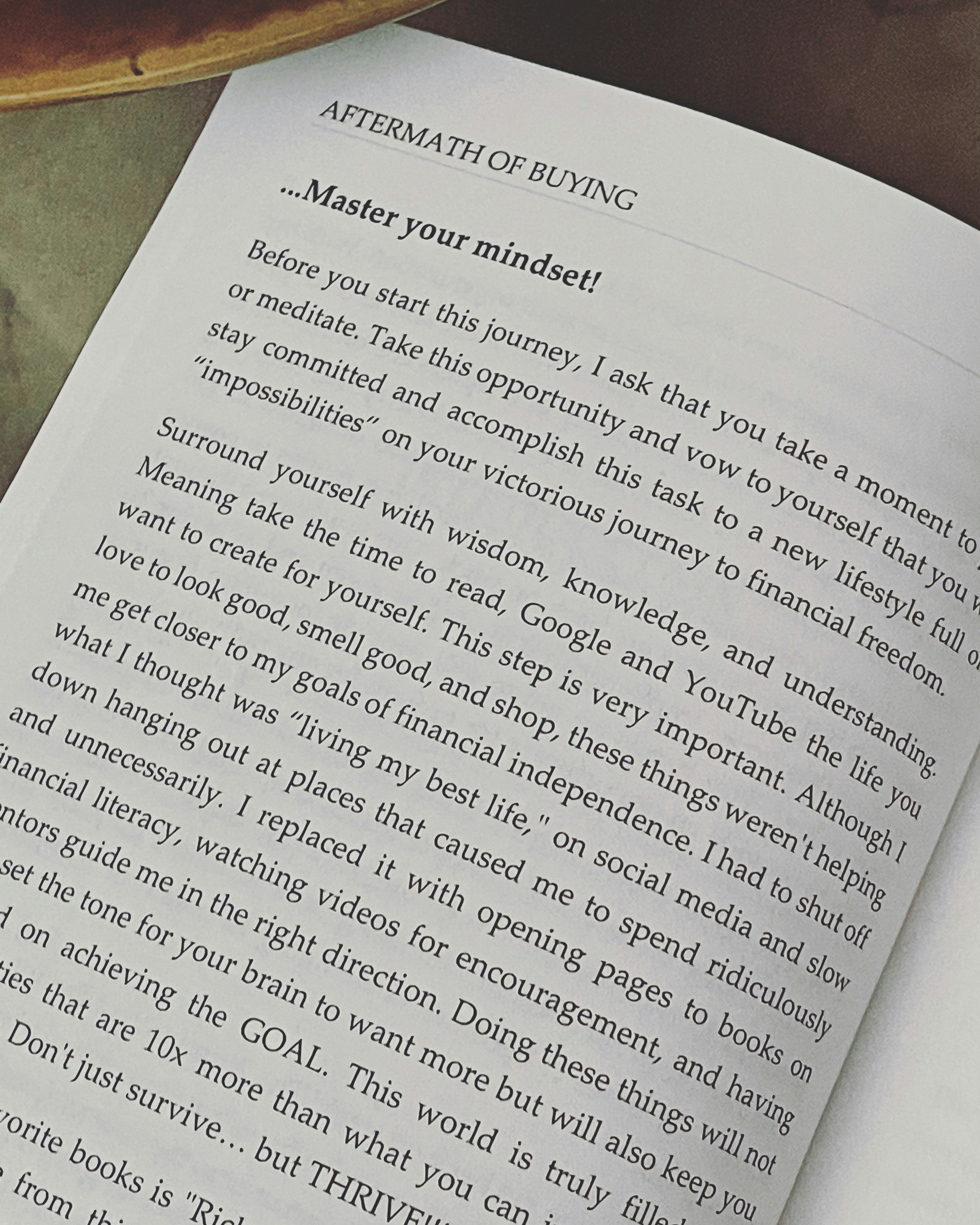
"If you're serious about improving your finances, I recommend Understanding Why Budgeting Matters and the books listed below to help you keep your money working for you. All titles are available on Amazon.
Affiliate Disclosure: I believe in transparency. Some links on this website are affiliate links, meaning I may earn a commission if you purchase through them. I only recommend tools, books, and resources that align with the mission of helping people take control of their finances, reduce debt, and build smarter money habits.
You have the power to make smart and informed financial decisions!!!
Please choose display type!