The Debt Snowball Method Explained
 Eslee
Eslee
A Simple Strategy to Become Debt-Free
If you’re carrying multiple debts, deciding where to start can feel confusing and overwhelming. Credit cards, loans, and monthly payments compete for your attention, making it difficult to see a clear path forward.
One strategy that has helped thousands of people eliminate debt is called the Debt Snowball Method.
This approach focuses on building momentum through quick financial wins, helping you stay motivated while steadily eliminating your balances.
In this guide, you’ll learn exactly how the debt snowball works, why it’s effective, and how to use it to accelerate your journey toward financial freedom.
What Is the Debt Snowball Method?
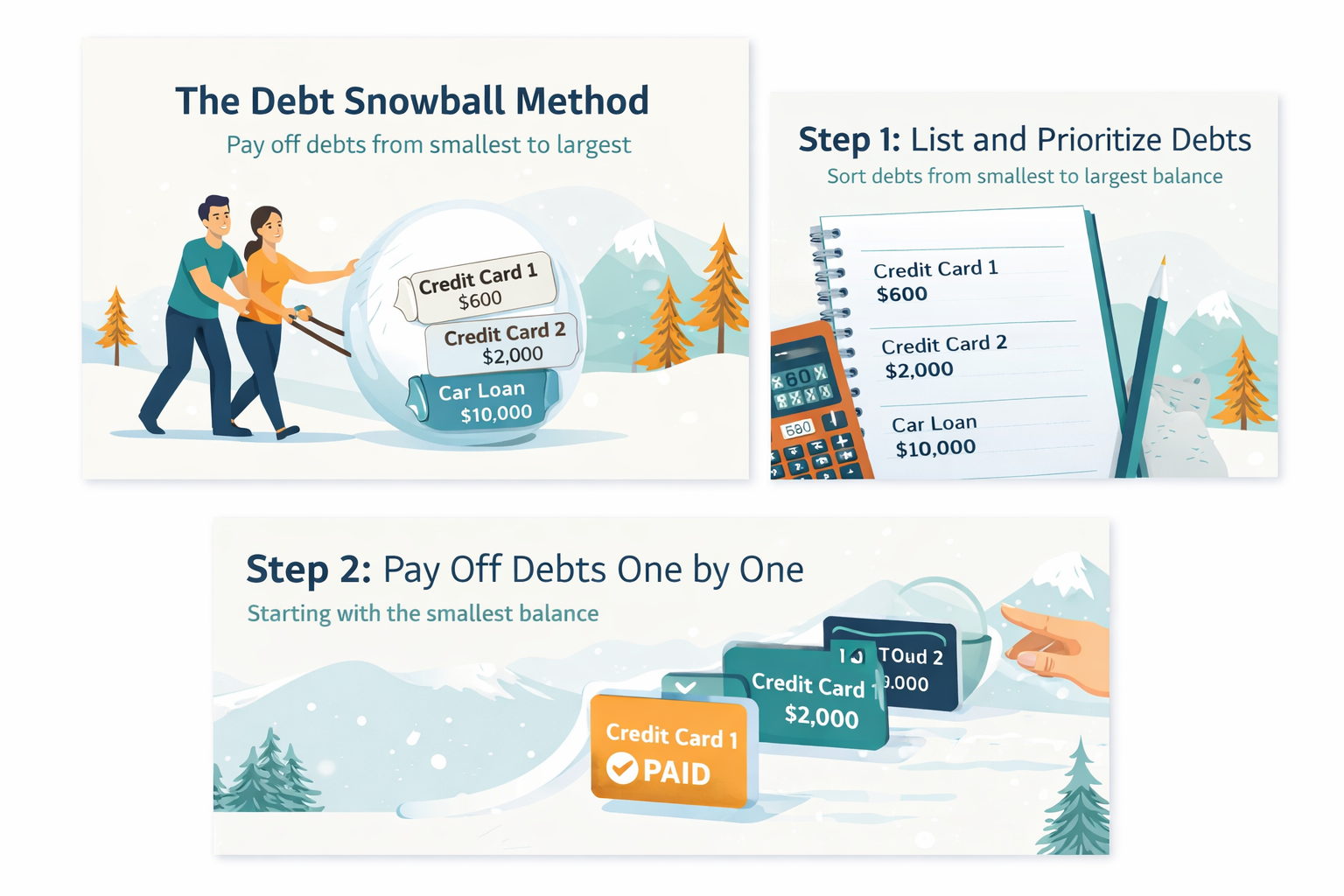
The Debt Snowball Method is a structured approach to eliminating debt by focusing on quick wins that build financial momentum.
Instead of targeting the highest interest rate first, this strategy prioritizes the smallest balance. The idea is simple: when you pay off smaller debts quickly, you gain motivation and confidence to keep going.
Here’s how the method works in practice.
- List every debt you owe, arranging them from smallest balance to largest balance.
- Continue making the minimum payment on every debt.
- Put any extra money toward the smallest debt first.
- Once that debt is completely paid off, move the payment amount to the next smallest debt.
As each balance disappears, the amount of money available for debt payments grows larger. This creates a compounding effect—similar to a snowball rolling downhill and gaining size.
Why the Debt Snowball Method Works
While the snowball method may not always save the most money on interest, it often works better for one important reason:
Human behavior.
Many people abandon financial plans because progress feels slow. The debt snowball solves this problem by creating visible progress early in the process.
Each paid-off balance provides:
- A sense of accomplishment
- Increased motivation
- Momentum toward the next goal
This psychological boost can make the difference between quitting early and staying committed until every debt is gone.
Example of the Debt Snowball Method
Let’s look at a simple example.
| Debt | Balance | Minimum Payment |
| Credit Card A | $700 | $30 |
| Credit Card B | $2,000 | $60 |
| Personal Loan | $5,500 | $150 |
| Car Loan | $10,000 | $250 |
Using the debt snowball method, the payoff order would be:
- Credit Card A ($700)
- Credit Card B ($2,000)
- Personal Loan ($5,500)
- Car Loan ($10,000)
Once Credit Card A is paid off, the $30 payment is added to the next debt payment, increasing the amount you apply to Credit Card B.
With each payoff, your available payment grows larger.
Debt Snowball vs Debt Avalanche
Two popular strategies exist for paying off debt.
Understanding the difference can help you choose the method that fits your personality and financial goals.
| Method | Focus | Advantage |
| Debt Snowball | Smallest balance first | Motivation and quick wins |
| Debt Avalanche | Highest interest rate first | Saves more money in interest |
When the Snowball Method Is Better
The snowball method works well if:
- You feel overwhelmed by multiple debts
- Motivation is a challenge
- You want to see quick progress
When the Avalanche Method Is Better
The avalanche method works well if:
- You are disciplined with long-term plans
- You want to minimize the total interest paid
Many financial experts recommend choosing the method you’re most likely to stick with consistently.
Common Mistakes When Using the Debt Snowball
Even a good strategy can fail if certain mistakes are made along the way.
Here are some issues to watch for.
Continuing to Use Credit Cards
If new debt keeps appearing, it becomes much harder to eliminate existing balances.
Ignoring Your Budget
Without a budget, it’s difficult to find the extra money needed to accelerate your payoff plan.
Paying Only Minimum Payments
Minimum payments alone will keep you in debt much longer. The snowball method works best when you consistently apply extra money to the targeted balance.
Losing Motivation
Debt payoff can take time. Celebrating small victories helps maintain long-term commitment.
Simple Debt Snowball Payment Example
Here’s a quick illustration of how your payments grow as debts are eliminated.
| Stage | Target Debt | Monthly Payment |
| Step 1 | Credit Card A | $150 |
| Step 2 | Credit Card B | $180 |
| Step 3 | Personal Loan | $240 |
| Step 4 | Car Loan | $390 |
As each balance disappears, the payment amount snowballs into the next debt.
This accelerating effect dramatically increases the speed of your debt payoff.
Tips to Make the Debt Snowball Work Faster
If you want to accelerate your progress, consider these strategies.
Increase Your Monthly Payments
Even small increases can shorten your debt payoff timeline.
Use Windfalls Wisely
Apply bonuses, tax refunds, or extra income toward debt reduction.
Cut Temporary Expenses
Reducing spending in areas like dining out or subscriptions can free up additional money.
Add a Side Income
Many people accelerate their debt payoff by earning extra money through freelancing, gig work, or online side hustles.
What Happens After Your Final Debt Is Paid
Reaching the end of your debt snowball journey is a powerful milestone.
Once your debts are eliminated, the money that previously went toward payments can be redirected toward:
- Emergency savings
- Retirement investing
- Long-term financial goals
- Wealth-building strategies
Many people discover that the habits they developed while paying off debt become the foundation for lasting financial success.
Final Thoughts

The Debt Snowball Method is more than just a financial strategy—it’s a system that helps people stay motivated as they steadily eliminate debt.
By focusing on quick wins and building momentum, this approach turns a difficult financial challenge into a series of achievable steps.
With patience, discipline, and consistent effort, the snowball method can help you move from financial stress to lasting financial freedom.
Once you become debt-free, the next step is learning how to manage your money wisely to stay financially secure
2 thoughts on “The Debt Snowball Method Explained”