How to Budget When You're in Debt
 Eslee
Eslee
Introduction
When you're in debt, budgeting can feel overwhelming. Bills pile up, payments are due, and it may seem like there’s never enough money left over at the end of the month.
But budgeting while in debt isn’t about perfection. It’s about creating clarity and control over your money.
A well-structured budget allows you to:
- Cover essential living expenses
- Keep up with debt payments
- Avoid accumulating new debt
- Create a plan to eliminate debt faster
The good news is that budgeting doesn’t need to be complicated. In this guide, you’ll learn how to create a simple budget that helps you manage your money while paying off debt.
Why Budgeting Is Critical When You're in Debt
Without a budget, money tends to disappear quickly. Small purchases add up, and debt payments can easily get overlooked.
Budgeting helps you:
- Prioritize essential expenses
- Prevent unnecessary spending
- Allocate extra money toward debt
- Reduce financial stress
Think of your budget as a financial roadmap that helps you move from debt toward financial stability.
Step 1: Calculate Your Monthly Income
The first step in building a budget is understanding exactly how much money you have available each month.
Use your net income (after taxes and deductions).
Include income from:
- Your primary job
- Side hustles
- Freelance work
- Part-time work
- Other consistent income sources
If your income varies, calculate an average monthly income based on the past three months.
Step 2: List Your Essential Living Expenses
Next, write down all the expenses necessary for basic living.
These typically include:
- Rent or mortgage
- Utilities (electricity, water, gas)
- Groceries
- Transportation
- Insurance
- Childcare, if applicable
Your goal is to ensure these expenses are fully covered before anything else.
Step 3: Identify All Debt Payments
Now, list every debt payment you are responsible for.
This includes:
- Credit cards
- Student loans
- Personal loans
- Car loans
- Medical bills
Make sure to record:
- Minimum payment amount
- Interest rate
- Total balance
At the very least, you should always pay the minimum required payment on each debt to avoid penalties or damage to your credit.
Step 4: Reduce Non-Essential Spending
When you're in debt, temporarily reducing discretionary spending can accelerate your progress.
Common areas where people reduce spending include:
- Dining out
- Streaming subscriptions
- Entertainment expenses
- Impulse shopping
- Luxury purchases
You don’t have to eliminate everything permanently. The goal is to create breathing room in your budget while you work toward financial stability.
Step 5: Create a Zero-Based Budget
One effective budgeting method is the zero-based budget, where every dollar of income is assigned a purpose.
Your income should be allocated to:
- Essential living expenses
- Debt payments
- Savings
- Personal spending
When all money is assigned, your budget should equal zero remaining dollars. This doesn’t mean you have no money left—it simply means every dollar has a job.

Step 6: Allocate Extra Money Toward Debt
After covering essentials and minimum payments, any remaining funds can be applied to accelerate your debt payoff.
Many people choose to combine budgeting with a strategy like the Debt Snowball Method, where the smallest debt is paid off first to build motivation.
The faster you reduce balances, the less interest you pay over time.
Step 7: Track Your Spending
Creating a budget is only the first step. The next step is tracking your spending consistently.
Tracking helps you stay accountable and adjust when necessary.
You can track your spending using:
- Budget apps
- Spreadsheets
- Simple notebooks
- Online banking tools
Consistency matters more than the specific tool you use.
Step 8: Build a Small Emergency Fund
Many people skip saving while paying off debt, but having a small emergency fund can prevent setbacks.
Unexpected expenses like car repairs or medical bills can easily push someone deeper into debt.
Aim to save $500–$1,000 as a starter emergency fund.
This safety net protects your progress.
Step 9: Adjust Your Budget Monthly
Your budget should not be rigid. Life changes, and your financial plan should adjust accordingly.
Review your budget every month and ask:
- Did I overspend in certain categories?
- Are there areas where I can save more?
- Can I increase my debt payments?
Small adjustments over time create meaningful progress.
Common Budgeting Mistakes to Avoid
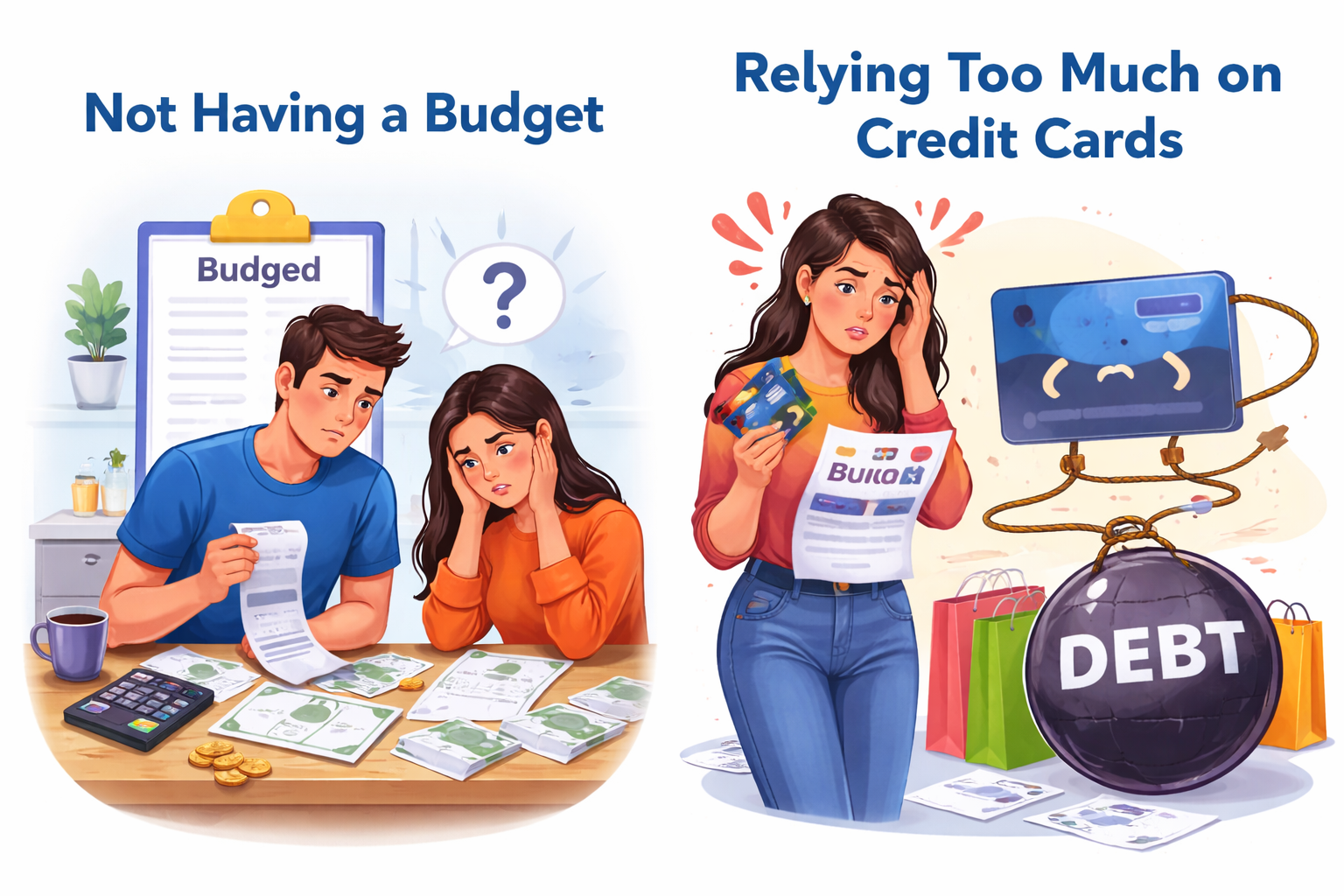
Even well-intentioned budgets can fail if certain mistakes occur.
Watch out for these common issues:
Ignoring small purchases
Daily coffee runs and impulse buys can add up quickly.
Creating unrealistic budgets
If your plan is too strict, you may abandon it entirely.
Not tracking spending
Without tracking, it’s impossible to know if your budget is working.
Forgetting irregular expenses
Car maintenance, holidays, and annual subscriptions should be included in your financial planning.
Simple Example of a Debt Budget
Here’s an example of how a monthly budget might look for someone paying off debt.
| Category | Amount |
| Income | $3,500 |
| Housing | $1,200 |
| Utilities | $250 |
| Groceries | $400 |
| Transportation | $250 |
| Insurance | $200 |
| Debt Payments | $700 |
| Emergency Savings | $150 |
| Personal Spending | $200 |
| Remaining for Extra Debt Payoff | $150 |
Even small extra payments can significantly accelerate debt repayment over time.
What Happens When You Stick to Your Budget
When you consistently follow a budget while paying off debt, several positive things begin to happen.
You start to:
- Gain confidence in managing your money
- Reduce financial stress
- Eliminate debt faster
- Build healthy financial habits
Eventually, budgeting shifts from a restrictive constraint to a powerful tool for financial freedom.
Final Thoughts
Budgeting when you're in debt may feel challenging at first, but it is one of the most important steps toward regaining financial control.
Remember that budgeting isn’t about depriving yourself. It’s about aligning your money with your priorities and long-term goals.
With patience, discipline, and consistency, you can build a financial plan that helps you eliminate debt and move toward a more secure future.
Budgeting is one of the most powerful tools for eliminating debt. If you're unsure where to start, read our guide on "Understanding Why Budgeting Matters."

One thought on “How to Budget When You're in Debt”