
A Beginner’s Guide to Money Management & Simple Habits That Build Wealth
 Eslee
Eslee
Introduction:
Why Most People Struggle with Money: And It’s Not What You Think
If you’ve ever felt like no matter how hard you try, your money just disappears, you're not alone.
You’ve probably already seen the challenges:
- Bills pile up faster than expected
- Paychecks don’t stretch far enough
- Budgeting feels restrictive or confusing
And after reading “15 Budgeting Challenges,” you might have thought:
“Yep… that’s exactly me.”
But here’s the truth most people don’t hear enough:
Money management isn’t about being perfect—it’s about building simple habits that actually stick.
Not complicated spreadsheets.
Not strict rules you can’t maintain.
Not guilt or shame.
Just clear, practical steps you can follow—even if you’re starting from scratch.
⚠️ Before We Begin (Important Disclaimer)
This guide is based on personal experience, research, and practical strategies that have helped many people take control of their finances.
This is not financial advice.
Always consider your personal situation and consult a qualified financial professional if needed.
1. Start With Awareness and Know Where Your Money Is Going
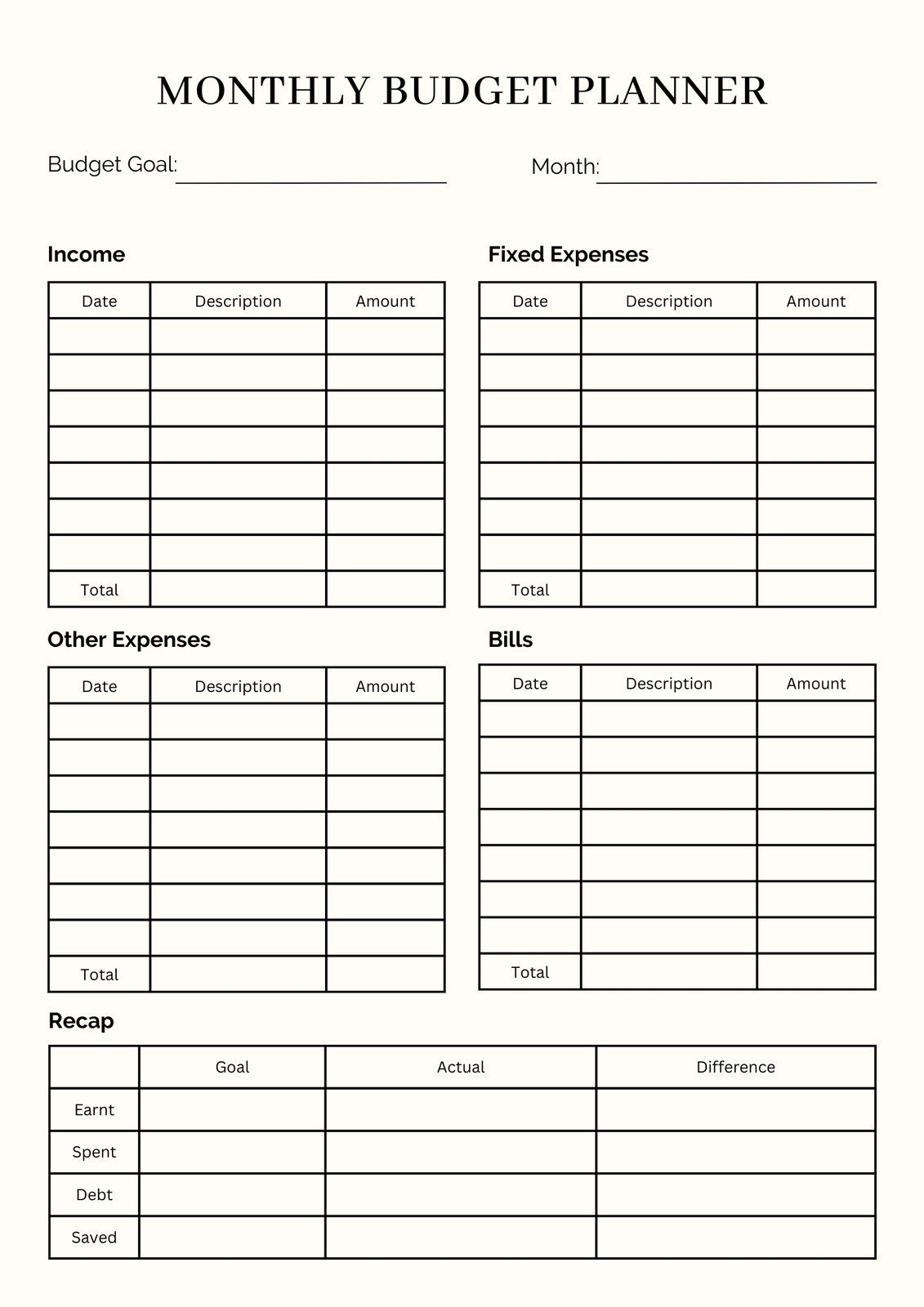
Most people skip this step—and it’s the reason nothing else works.
You can’t manage what you don’t understand.
Simple Habit: Track Your Spending for 7 Days
Don’t overcomplicate it. Just:
- Write down every expense
- Or check your bank app daily
- Or use a simple notes app
Example:
You might discover:
- $60/week on takeout
- $25 in random subscriptions
- $100+ in impulse purchases
That’s powerful clarity.
✅ Why This Works
Awareness removes confusion and gives you control. It’s the foundation of everything else.
2. Create a Simple, Flexible Budget: Not a Perfect One
Forget perfection. Focus on direction.
Simple Habit: Use a Basic Structure
Start with something like:
- Needs (50%) – rent, food, utilities
- Wants (30%) – entertainment, dining
- Savings/Debt (20%) – paying off debt, building savings
Adjust as needed.
Example:
If your income is $2,000/month:
- Needs → $1,000
- Wants → $600
- Debt/Savings → $400
✅ Why This Works
It gives your money a job—without making you feel restricted
3. Build a “Pause Before Spending” Habit

This one habit can change everything.
Simple Habit: The 24-Hour Rule
Before buying anything non-essential:
- Wait 24 hours
- Ask: Do I really need this?
Example:
That $80 impulse purchase?
After 24 hours, you may not even want it anymore.
✅ Why This Works
It breaks emotional spending—and replaces it with intentional decisions
4. Pay Yourself First—Even If It’s Small)

Most people save what’s left.
Successful money habits flip that.
Simple Habit: Save First, Not Last
Start with:
- $10/week
- Or 1–5% of your income
Set it to automatic if possible.
Example:
Saving $25/week = $1,300/year
That’s a real start.
✅ Why This Works
5. Tackle Debt With a Clear Plan. It builds consistency—and consistency builds momentum
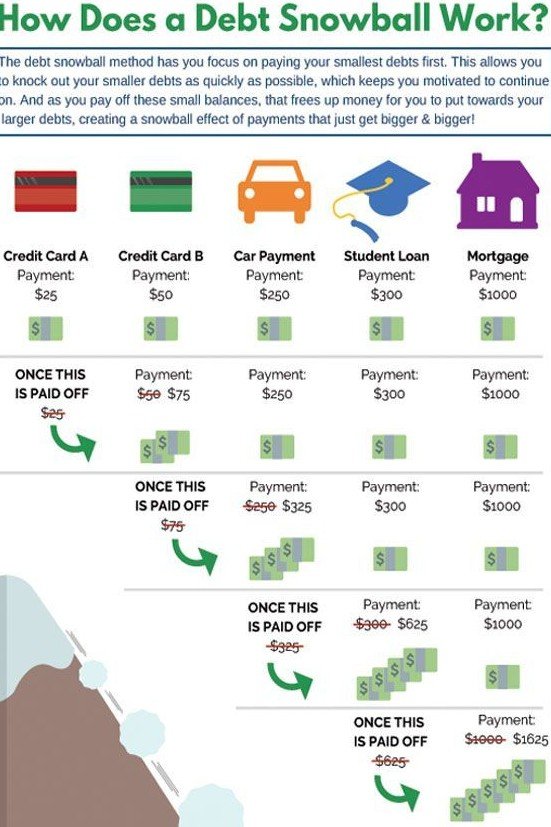
Debt feels overwhelming when it’s unclear.
Clarity makes it manageable.
Simple Habit: Use the Debt Snowball
- List debts smallest → largest
- Pay minimums on all
- Focus extra money on the smallest
Example:
- $300 credit card → pay first
- Then roll that payment into the next
✅ Why This Works
Quick wins build motivation—and keep you going.
6. Build a Starter Emergency Fund
Without this, every unexpected expense becomes a setback.
Simple Habit: Aim for $500–$1,000 First
Not perfect. Just a cushion.
Example:
Car repair?
Instead of using a credit card, you’re covered.
✅ Why This Works
7. Keep It Simple (The Habit Most People Ignore): It protects your progress and reduces stress.
This is where most people fail.
They try to do too much… too fast.
Simple Habit: Focus on 3 Things Only
- Track spending
- Follow a basic budget
- Save a small amount
That’s it.
✅ Why This Works
Simple systems are easier to stick with—and consistency beats complexity every time.
Putting It All Together - Your Simple Action Plan
If you’re feeling overwhelmed, start here:
Your 7-Day Starter Plan
- Day 1–2: Track every dollar
- Day 3: Create a simple budget
- Day 4: Set a small savings amount
- Day 5: List your debts
- Day 6: Cut one unnecessary expense
- Day 7: Review and adjust
That’s your foundation.
Final Thoughts: Small Habits → Big Change
Here’s what matters most:
You don’t need to:
- Make more money overnight
- Be perfect
- Have everything figured out
You just need to start.
Small, consistent habits create real financial change over time.
And if you’ve struggled before?
That doesn’t mean you’ve failed.
It just means you haven’t found a system that works for you—yet
What to Read Next
This post pairs perfectly with:


One thought on “A Beginner’s Guide to Money Management & Simple Habits That Build Wealth”