How to Get Out of Debt
 Eslee
Eslee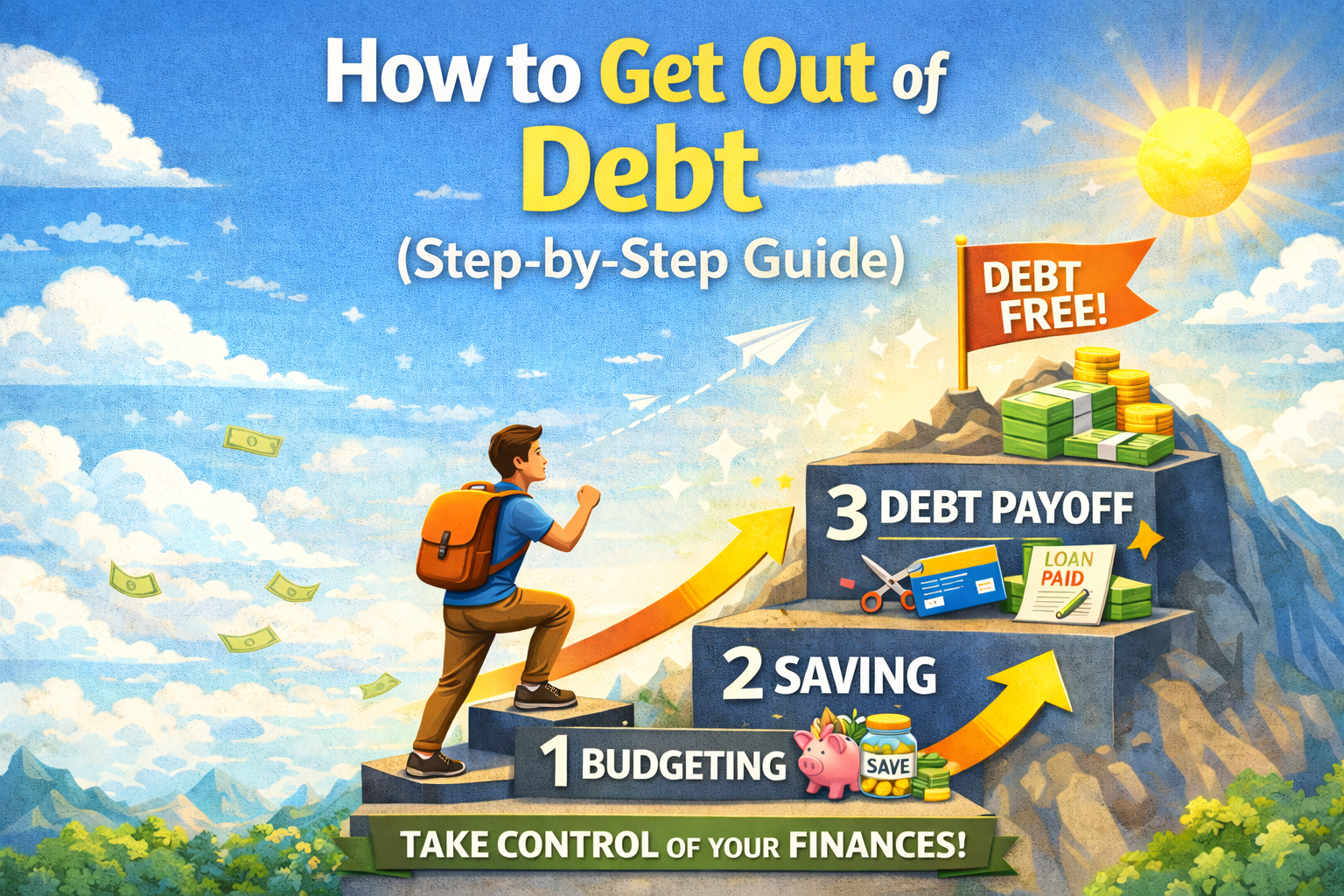
Debt can feel like a heavy weight on your shoulders. Credit cards, personal loans, medical bills, and car payments can pile up quickly, leaving many people feeling trapped and overwhelmed.
But here is the encouraging truth: getting out of debt is absolutely possible.
Thousands of people eliminate debt every year by following simple financial principles and consistent habits. The key isn’t complicated financial strategies. The key is a clear plan and disciplined action.
In this guide, you’ll learn the exact steps you can follow to begin your journey toward financial freedom.
Why Getting Out of Debt Matters
Debt doesn’t only affect your bank account—it affects your peace of mind, future opportunities, and financial stability.
When debt grows unchecked, it can lead to:
- Financial stress and anxiety
- Difficulty saving money
- Limited investment opportunities
- Higher interest payments
- Reduced financial freedom
Eliminating debt allows you to redirect your money toward saving, investing, and building long-term wealth.
Step 1: Face the Numbers Honestly,
The first step toward becoming debt-free is understanding exactly how much you owe.
Many people avoid looking at their debt because it feels uncomfortable. However, clarity gives you power.
Create a complete list of all debts, including:
- Credit cards
- Personal loans
- Car loans
- Student loans
- Medical bills
- Any other outstanding balances
Your list should include:
| Debt Type | Total Balance | Interest Rate | Minimum Payment |
| Credit Card A | $2,500 | 22% | $75 |
| Credit Card B | $1,200 | 19% | $40 |
| Car Loan | $9,000 | 6% | $240 |
Seeing everything in one place helps you build a realistic strategy.
Step 2: Stop Creating New Debt
Before paying off existing debt, it’s critical to stop accumulating new debt.
If you continue using credit cards or borrowing money while trying to pay off debt, it becomes much harder to make progress.
Some practical steps include:
- Temporarily stop using credit cards
- Use cash or debit for daily purchases
- Avoid unnecessary spending
- Delay non-essential purchases
This step creates a stable financial foundation for your debt payoff plan.
Step 3: Create a Simple Budget
A budget is one of the most powerful tools for getting out of debt.
Instead of wondering where your money went each month, a budget helps you assign every dollar a purpose.
Start by calculating your total monthly income after taxes.
Then list your essential expenses:
- Housing (rent or mortgage)
- Utilities
- Groceries
- Transportation
- Insurance
- Minimum debt payments
Once your necessities are covered, the remaining money can be used to accelerate debt repayment.
Step 4: Build a Small Emergency Fund

Before aggressively attacking debt, it’s wise to build a small emergency cushion.
Even a modest emergency fund of $500 to $1,000 can protect you from unexpected expenses.
Without an emergency fund, situations like these can push you deeper into debt:
- Car repairs
- Medical bills
- Home maintenance
- Emergency travel
Having a small financial safety net prevents setbacks while you’re paying off debt.
Step 5: Choose a Debt Payoff Strategy
Once your budget is in place and new debt has stopped, it’s time to start eliminating balances.
Two common strategies are widely used:
The Debt Snowball Method
With the snowball method, you focus on paying off the smallest debt first, regardless of interest rate.
Steps include:
- List debts from smallest to largest balance
- Pay minimum payments on all debts
- Put extra money toward the smallest balance
- Once it’s paid off, roll that payment into the next debt
This method builds momentum and motivation.
The Debt Avalanche Method
The avalanche method focuses on paying off debts with the highest interest rates first.
This approach can reduce the total interest paid over time.
Both methods work effectively—the best choice is the one you’ll stay committed to.
Step 6: Increase Your Income
While reducing expenses helps, increasing your income can dramatically accelerate debt repayment.
Consider opportunities such as
- Freelance work
- Part-time jobs
- Selling unused items
- Online side hustles
- Affiliate marketing
- Gig economy work
Even an additional $200–$500 per month can make a significant difference in how quickly you become debt-free.
Step 7: Stay Consistent and Patient
Debt repayment is a process that requires persistence.
Some months may feel slow, but every payment moves you closer to financial freedom.
Celebrate small victories, such as:
- Paying off your first credit card
- Reaching your emergency savings goal
- Completing your first debt-free month
These milestones help maintain motivation and reinforce positive financial habits.
Common Mistakes to Avoid When Paying off Debt
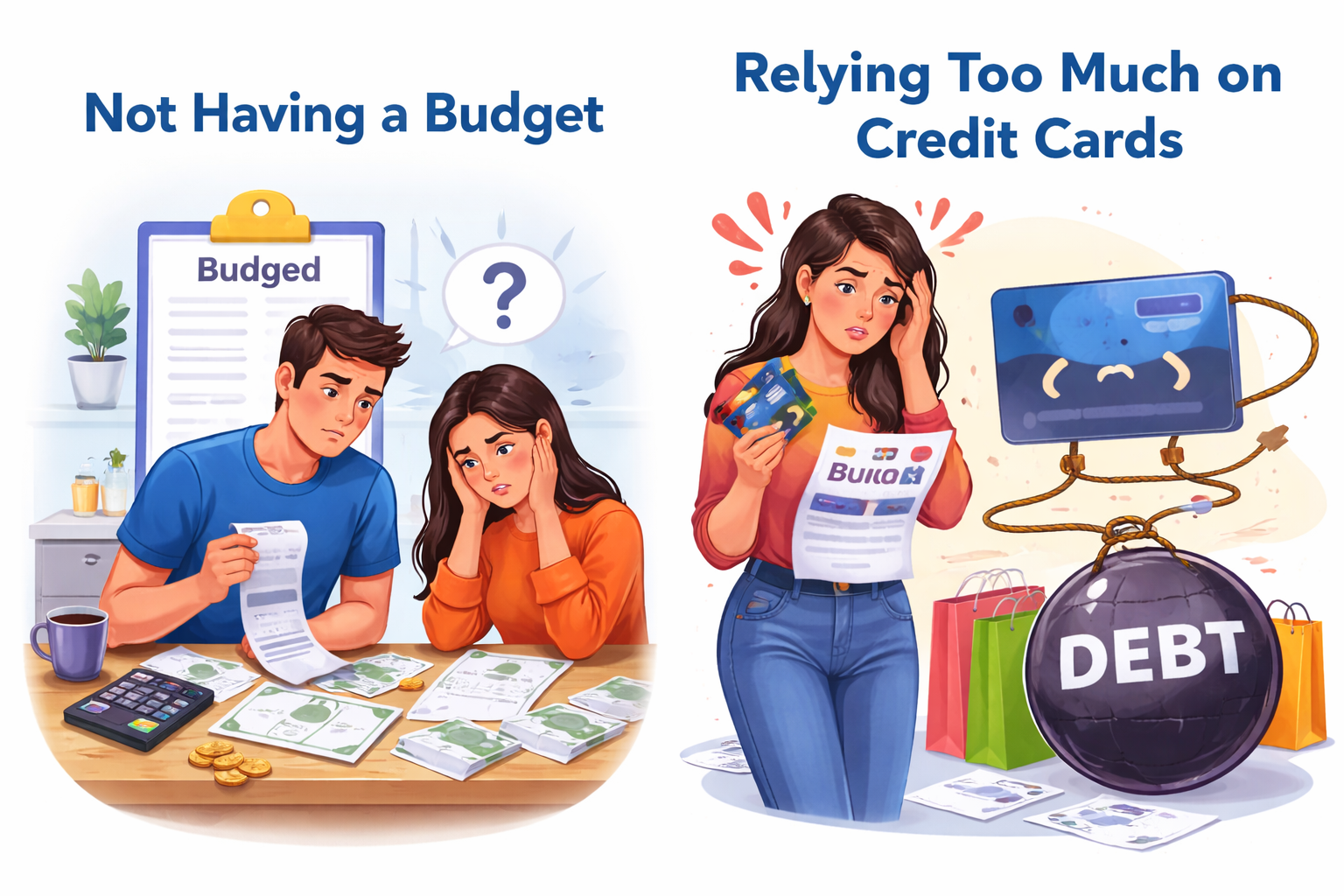
Many people unintentionally slow their progress by making a few common mistakes.
Try to avoid the following:
- Continuing to use credit cards while paying off debt
- Ignoring high interest rates
- Not tracking monthly spending
- Setting unrealistic financial goals
- Giving up too quickly
Debt freedom is achievable when you stay focused on consistent progress.
What Happens After You Become Debt-Free
Reaching debt-free status is a powerful financial milestone.
Once your debt is gone, your money can be redirected toward:
- Building a larger emergency fund
- Investing for retirement
- Saving for major purchases
- Growing long-term wealth
Many people find that becoming debt-free provides a renewed sense of confidence and financial control.
Final Thoughts:
Getting out of debt may seem overwhelming at first, but every financial transformation begins with a single step.
By understanding your debt, creating a budget, stopping new borrowing, and following a clear payoff strategy, you can gradually eliminate debt and reclaim your financial future.
The most important thing to remember is this:
Progress matters more than perfection.
Small, consistent actions today can lead to lasting financial freedom tomorrow.